Fighting
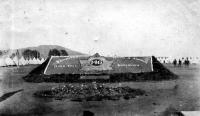
146th Battalion CEF
The 146th battalion was recruited from the Frontenac, Lennox and Addington counties, and mobilized in Kingston with a strength of 26 officers and 581 other ranks. The battalion embarked from Halifax on 27 September, 1916 on the troop ship Southland, and disembarked in the UK on 6 October.
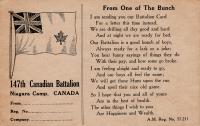
147th Battalion CEF
The 147th Battalion was recruited from Grey County, and mobilized in Owen Sound with a strength of 32 officers, and 910 other ranks. The battalion embarked from Halifax on 14 November, 1916 on the troop ship Olympic, and disembarked in the UK on 20 November.
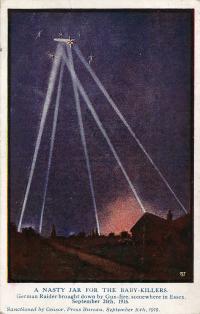
148th Battalion CEF
The 148th battalion CEF was recruited from the Montreal district of Quebec, and mobilized in Montreal with a strength of 32 officers and and 951 other ranks. The battalion embarked from Halifax on 27 September, 1916 on the troop ship Laconia, and disembarked in the UK 6 October.
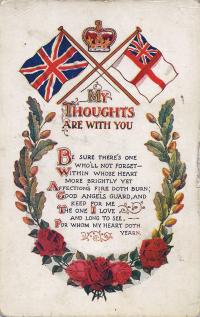
149th Battalion CEF
The 149th Battalion CEF was recruited throughout Lambton County in south-western Ontario, and mobilized in Watford in 1915. 'Lambton's Own' had a strength of 18 officers and 439 other ranks when it embarked from Halifax aboard the Lapland on 28 March 1917.
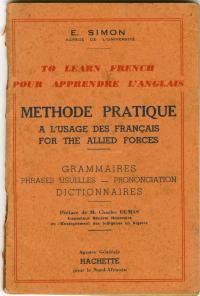
Méthode pratique à l'usage des Français for the Allied Forces
Language barriers were a common yet serious challenge to the efficient collaboration between Allied forces in Europe, as well as in other theatres of war. Not speaking the local language was also disadvantageous when trying to communicate with residents, navigating towns, or while attempting to gather information.
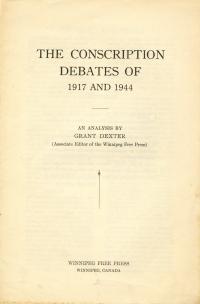
The Conscription Debates of 1917 and 1944
Grant Dexter, the associate director of the Winnipeg Free Press, wrote this analysis of the differences between the conscription debates of 1917 and 1944, using them to illustrate the changes in Canadian politics. He covered historical attitudes, constitutional aspects, and different lobby groups' perspectives on conscription.
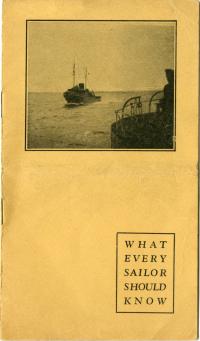
What Every Sailor Should Know
During the Second World War, having men out of service as a result of venereal diseases, or the required medical treatment for them, was a source of great concern for Canadian military authorities. Men in uniform were encouraged to abstain from engaging in risky sexual relations or visit brothels while stationed abroad, and were issued informative (and cautioning) booklets on sexually-transmitted diseases.
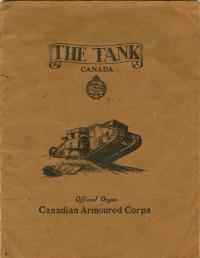
"The Tank" Canada - A Magazine
At Camp Borden, the Canadian Armoured Corps had its own magazine and newsletter, The Tank, whose articles covered personal experiences, impressions of individuals serving overseas (including the experiences of an Indian Army officer), creative writing, and news from different units.
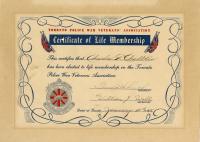
Toronto Police War Veteran's Association Certificate of Life Membership
During the First and Second World War many police officers left their posts to serve in the Canadian armed forces fighting overseas. Once they returned to Canada many were able to rejoin police departments all around the country. The Toronto Police War Veteran's Association was one of the largest of its kind, bringing together police officers who had at one point served in the Canadian army. This lifetime membership as presented to a war veteran in January of 1945.
Annual Report of the The Department of National War Services 1945
Annual report on the spending of the Department of War Services during the fiscal year of 1945. The report addressed expenditure on various war effort related departments, ranging from ammunition costs to disability payments to injured servicemen.